MARKETING · 2025-04-28
B2B Lead Generation That Converts: SEO, Paid Ads & HubSpot in Action
Marketing isn't guesswork when you combine technical SEO, targeted paid campaigns, and CRM-driven lead scoring. As a Leadinfo Certified Partner, I build data-driven pipelines that connect visibility with qualified prospects — so your sales team talks to the right people at the right time.
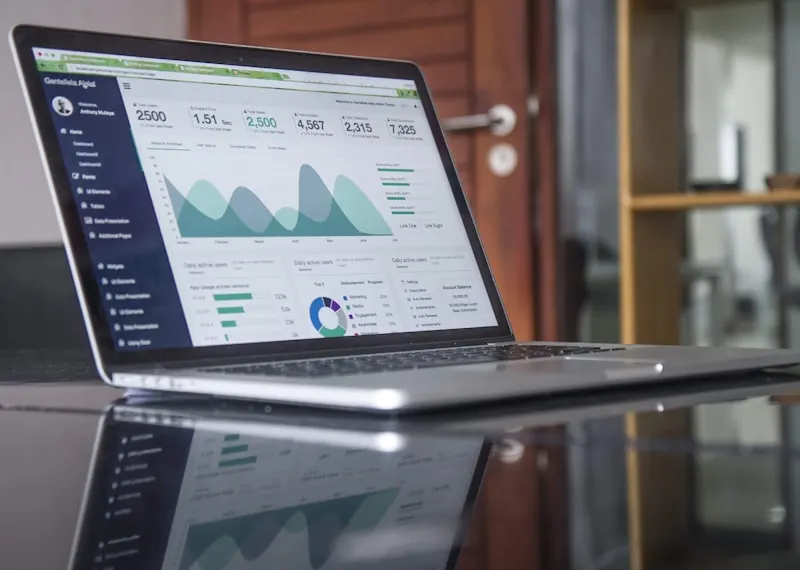
Most B2B marketing fails for a boring reason: the channels don't talk to each other. SEO brings traffic nobody follows up on, paid ads generate leads nobody scores, and the CRM becomes a graveyard of contacts nobody qualifies. The fix isn't more budget — it's connecting three systems into one pipeline.
Layer One: Technical SEO as the Foundation
Before content strategy, the technical layer has to be right: crawlable site architecture, fast load times, structured data, and pages mapped to the actual search intent of your buyers. B2B queries are low-volume but high-value — ranking for fifty searches a month is a win when each searcher is a procurement manager with a budget.
Layer Two: Paid Campaigns That Borrow SEO's Data
Organic search data tells you which queries convert — paid campaigns let you buy your way to the top of exactly those queries while SEO compounds. I structure ad accounts around the same intent clusters as the content strategy, so every click lands on a page built for that specific question. Quality scores rise, cost per lead falls.
Layer Three: CRM Scoring So Sales Calls the Right People
- Leadinfo identifies the companies behind anonymous website visits — turning traffic into named accounts.
- HubSpot scores every contact on fit (industry, size, role) and behavior (pages visited, content downloaded).
- Sales gets a prioritized queue, not a raw list — the difference between 50 cold calls and 10 warm conversations.
Visibility without qualification is vanity. The pipeline only works when marketing hands sales a reason to call.
When these three layers run together, the numbers become honest: you can trace revenue back to the keyword, the ad, or the page that started it. That's what data-driven actually means — and it's the standard I build to for every client engagement.